


Shielding Depth of Tension String Insulators on Transmission Lines
2026-09-23 10:52I. Distinction Between Grading Ring, Shielding Ring, and Grading Shielding Ring
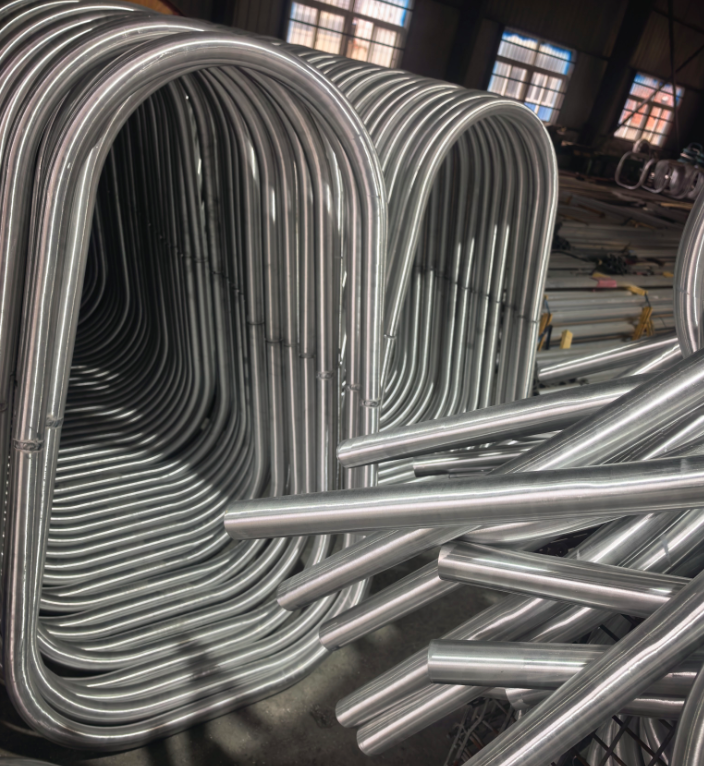
During the construction, operation, and maintenance of transmission lines, personnel frequently encounter various types of grading rings, shielding rings, and grading shielding rings. These products are all ring-shaped fittings made of aluminum round tubing. Grading rings primarily serve to achieve a uniform distribution of the electric field on the surface of components. However, what exactly is a shielding ring, and what is a grading shielding ring? The power industry standard Grading Rings, Shielding Rings and Grading Shielding Rings (DL/T 760.3-2012) does not explicitly provide terms and definitions for these three types of rings; it only presents schematic diagrams of the structural configurations of grading rings, shielding rings, and grading shielding rings in Appendix A, Appendix B, and Appendix C. However, the latest version, Grading Rings, Shielding Rings and Grading Shielding Rings (DL/T 760-2025), provides clear definitions in its clauses:
Grading ring: A ring-shaped protective fitting that improves the voltage distribution along an insulator string, grading ring also called corona ring.
Shielding ring: A ring-shaped protective fitting that prevents corona discharge on fittings or components within the shielded range.
Grading shielding ring: A ring-shaped protective fitting that both improves the voltage distribution along an insulator string and prevents corona discharge on fittings or components within the shielded range.
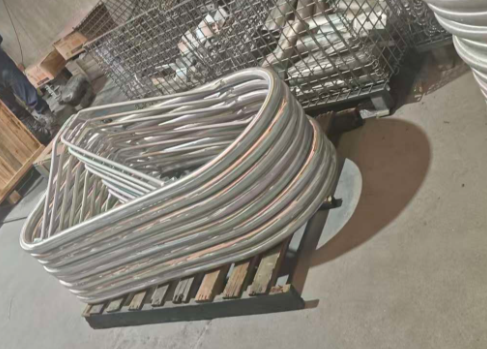
From these definitions, it is evident that the protective target of a grading ring is primarily the insulator string, serving to equalize the electric field distribution, while the protective target of a shielding ring is primarily the fittings, serving to suppress corona. A grading shielding ring combines both functions. The distinction in terminology among grading ring, shielding ring, and grading shielding ring is mainly related to the role they play under different scenarios.
II. Design Configurations
2.1 500 kV Voltage Level
For 500 kV tension strings, the typical design involves installing a grading shielding ring at the high-voltage end (conductor end). The length of this grading shielding ring should be sufficient to cover part of the insulator string and part of the fittings, thereby both improving the electric field distribution of the porcelain insulators at the high-voltage end of the tension string and shielding corona generated by the high-voltage end fittings.
2.2 ±800 kV / 1000 kV Voltage Level
For ±800 kV and 1000 kV UHV transmission lines, the tension strings basically adopt a design in which the grading and shielding functions are realized separately. The ring that solely covers the insulator string is the grading ring, while the ear-shaped rings installed on both sides of the tension string are shielding rings.
III. Shielding Depth Issue
3.1 Lack of Clarity in Standards
Shielding depth here refers to the extent to which the shielding ring covers the insulator string. The author has not yet found explicit requirements in relevant standards. Only Clause 5.1 of the power industry standard Grading Rings, Shielding Rings and Grading Shielding Rings (DL/T 760-2025) mentions:
- 3.1.1 Grading rings and grading shielding rings shall be capable of controlling the surface electric field strength of composite insulators under specified voltages within the required range, or controlling the voltage borne by individual disc insulator units within the required range.
- 3.1.2 Grading rings, shielding rings, and grading shielding rings shall be capable of ensuring that insulator strings exhibit no visible corona under specified voltages and that radio interference is controlled within permissible limits. Corona and radio interference shall comply with the provisions of GB/T 2317.2.
However, the standard does not provide recommended values for what shielding depth is sufficient to satisfy the above conditions. To a certain extent, this is also the reason why shielding depth has become a rather vague concept. Below, based on design conventions, we discuss the design characteristics of shielding depth for 500 kV and certain UHV tension strings.
3.2 Typical Design Principles
The shielding depth of grading shielding rings for 500 kV tension strings is generally designed to cover 2 insulator units at the high-voltage end, although some lines cover only 1 insulator unit. No explicit standard basis has been found for this practice to date. For ±800 kV and 1000 kV UHV tension strings, the shielding depth generally covers 3 insulator units.
3.3 Design Oversight Points
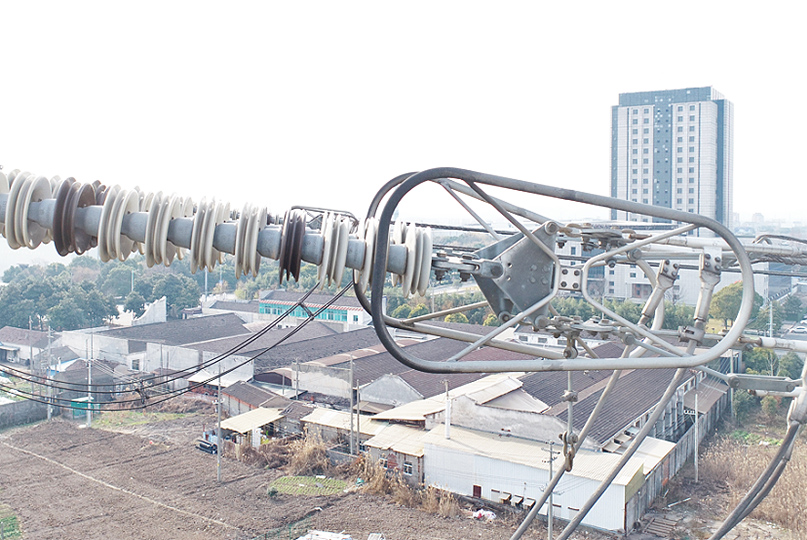
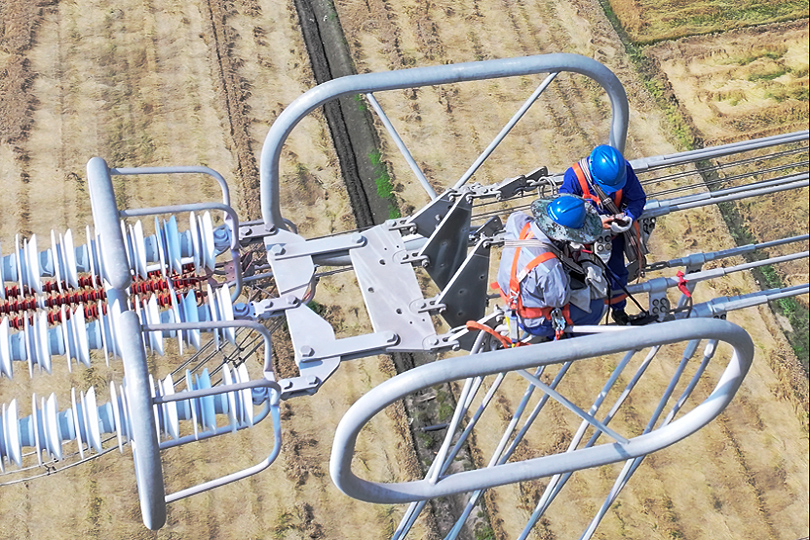
For certain tower positions requiring inverted suspension, attention must be paid to the coverage range of the grading (shielding) ring under inverted installation conditions. Due to changes in fitting lengths of inverted tension strings, the shielding range of the grading ring is often insufficient. In such cases, a separate string design for inverted suspension may be necessary. As shown in the figure below, for a certain 500 kV line with an inverted string configuration, the grading shielding ring failed to cover the first insulator unit.
IV. Recommendations
The grading rings and grading shielding rings of tension insulator strings primarily serve to provide grading protection for the porcelain insulators at the high-voltage end, improving the operating conditions of the insulators. If the protection is inadequate, it will inevitably reduce the operational reliability of the insulators and increase the probability of degradation. Through research, the shielding range of grading rings and grading shielding rings at the high-voltage end of disc insulator strings should be clearly defined, and relevant requirements should be solidified through standards and specifications to regulate the shielding depth of insulator strings. For inverted string configurations, the design documents should include shielding depth verification, and if the requirements are not met, a separate design drawing should be produced.